
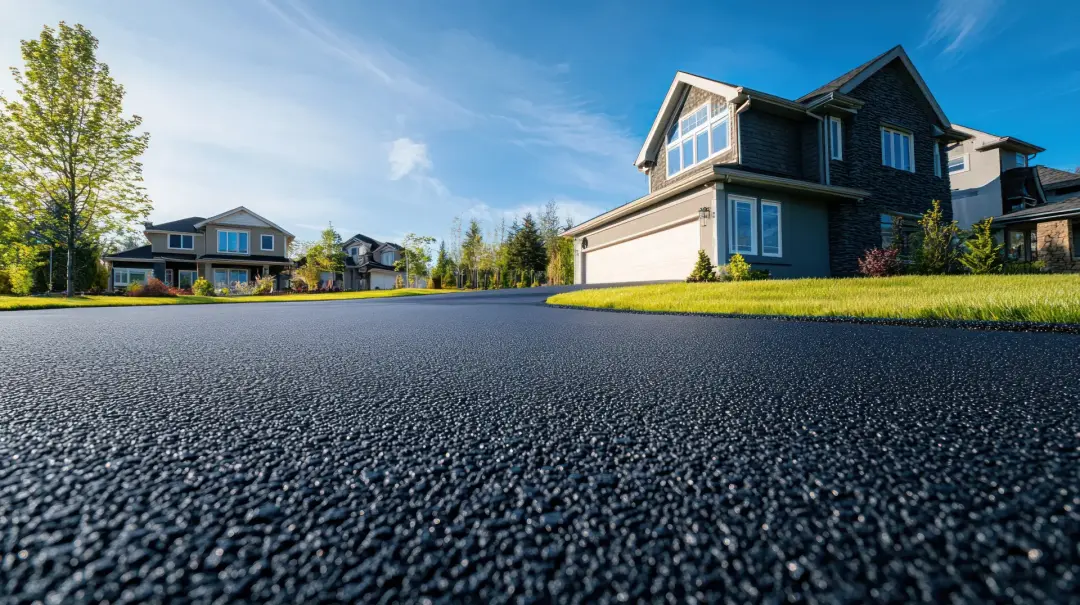
Find out the main benefits of Tarmac driveways - quick to install, weather-resistant and long-lasting. A reliable, cost-effective solution designed to suit UK homes.
Tarmac driveways are a popular choice for UK homeowners because they offer a strong, practical and tidy surface for everyday use. This article explores the main benefits of tarmac, including its cost, installation, maintenance, weather resistance and suitability for different property types and driveways.
Why Tarmac Is a Popular Driveway Choice
Tarmac is made by combining stone aggregates with bitumen to create a smooth finish that can handle regular vehicle usage and changing weather conditions. One of the main reasons homeowners choose tarmac is its durability.
When tarmac is installed correctly, it can handle the weight of cars, vans and everyday traffic without becoming easily damaged. Tarmac is also quicker to install compared to some other driveway materials, and its smooth finish makes it easy to walk on, push bins across and keep clean.
A Cost-Effective Driveway Surface
Tarmac is often seen as a cost-effective driveway surface because it can cover large areas fairly quickly. One of the main benefits of using tarmac is that you do not need to lay down lots of individual pieces by hand. Unlike block paving, tarmac is spread out, levelled and compacted across the prepared base, which can make the installation process a lot quicker - especially when it's done on large driveways.
Tarmac is also made to withstand regular vehicle usage and handle the weight of multiple cars without needing constant attention. You will still need to keep the surface clean and deal with small cracks or damaged edges over time, but compared to other driveway materials, tarmac only needs to be swept and cleaned.
For many homeowners, tarmac provides a sensible balance between price, strength and appearance. It may not provide the same decorative appeal as block paving or natural stone, but it can create a neat, smooth surface that is suitable for everyday usage.
Quick and Simple Installation
A tarmac driveway is often quicker and simpler to install than many other driveway surfaces, especially when the ground is already in good condition. Once the area has been cleared and the base has been prepared, the tarmac can be laid down, levelled and compacted in a short period of time.
Unlike block paving, tarmac does not involve placing down hundreds of individual blocks by hand. This reduces the amount of labour that's needed and helps the work move along quickly. The installation process typically includes digging out the area, adding a strong sub-base, creating the correct levels for your drainage and laying the tarmac down in layers.
Specialist rollers are then used to compact the surface and create a smooth, firm finish, and provided the weather is good, the work can often be completed in a day or two, depending on your site.
Strong and Long-Lasting Finish
Tarmac can provide a strong and long-lasting finish when it is installed on a properly prepared base. Tarmac is designed to cope with regular vehicle use, making it a practical choice for busy homes with one or more cars. Once the surface has been laid and compacted, the tarmac will create a firm and even area that can handle everyday pressure without needing constant attention or repairs.
Tarmac can also cope well with rain, cold weather and changing temperatures, as long as the driveway has good drainage and the edges are fully supported. A new tarmac driveway can also improve the appeal of your home, too, since its smooth, dark finish can create a clean and tidy appearance, which can make the front of your property look well-cared-for.
Suitable for Different Property Types
Tarmac is suitable for many different property types because it's a practical, hard-wearing surface that can be shaped to suit the available space. It works well for small domestic driveways, large family homes, rural properties, shared access areas and commercial entrances, making it a flexible driveway choice for many locations.
For a small driveway, tarmac can create a smooth and tidy finish without making the area look overcrowded, and it can be laid around any curves, slopes and awkward corners, making it ideal for properties with limited space. For larger driveways, tarmac can be used to cover a wide area efficiently and create enough room for several vehicles to park on.
Additionally, tarmac has a simple appearance that can blend in with many building styles, giving you a little freedom to improve the look of your home without changing the main surface material. This flexibility is important since many homes and driveways vary in size, shape and location.
Easy to Maintain
A tarmac driveway is notoriously easy to maintain because it has a smooth, sealed surface, which means there are fewer places for weeds to grow, dirt to collect or small stones to move around. For homeowners, this can make regular cleaning and maintenance tasks much easier and quicker to do since most of the time, you only need to sweep the surface to remove leaves, soil and other debris.
Additionally, tarmac surfaces only need to be washed occasionally with soap and water to keep the driveway looking clean. Moreover, tarmac usually stays in place and provides an even surface, as long as it has been installed correctly on a stable base. This means that small cracks or worn-out patches can be repaired easily without needing to have the whole driveway replaced.
Smooth and Practical Surface
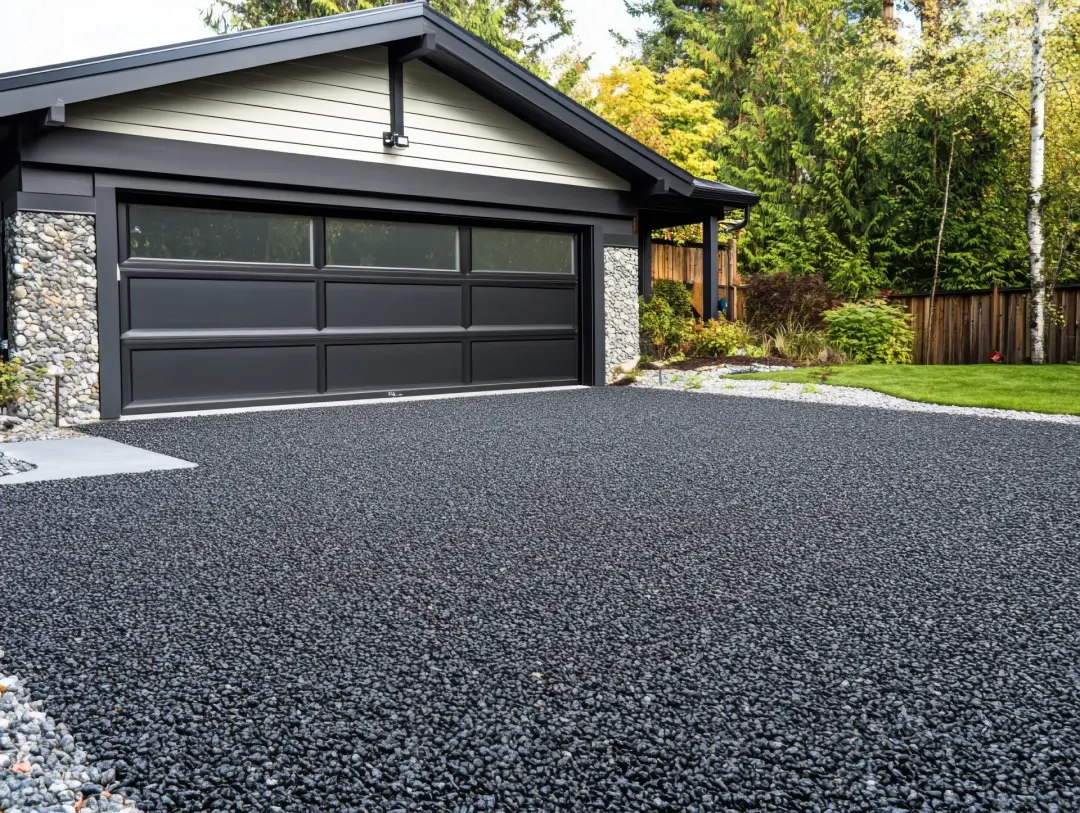
Tarmac can create a smooth and practical driveway surface because it is laid down as one continuous layer and then compacted firmly. Unlike gravel, tarmac does not contain loose stones that can move, scatter or collect around the entrance of your home. Tarmac also has fewer joints than block paving, meaning that there are fewer gaps where weeds can grow in between.
Tarmac is designed so that you can drive, park, walk, push or move items across the surface without dealing with any loose material or raised edges. This can be especially useful for households with children, older people or anyone who may find uneven ground difficult to walk on.
A smooth tarmac surface is also easier to clean than many textured driveway materials, and any leaves, mud and other debris can simply be swept away.
Good for Everyday Vehicle Use
When tarmac is properly installed on a strong base, it can handle the weight and movement of daily parking and driving without succumbing to cracks, wear or general damage. Tarmac's smooth finish makes driving on and off the driveway easier, especially compared to driveways full of loose gravel, since you do not have to deal with stones shifting under your tyres or creating an uneven surface.
Tarmac also gives you a clear, stable space for turning, reversing and parking, which can make your daily routines feel more straightforward. For many homeowners, tarmac's combination of strength, smoothness and low maintenance is the main reason why they choose to have this material installed.
Weather-Resistant Performance
Tarmac is designed to handle changing weather, making it a practical choice for many UK driveways. The surface is made using stone aggregates that have been bound together with bitumen. This creates a firm yet slightly flexible finish that can handle normal temperature changes without becoming brittle.
The UK receives plenty of rain, so having proper drainage is important for any driveway. Tarmac can be laid down with a gentle slope that guides rainwater towards a suitable drainage point, and its smooth surface also helps rainwater flow away instead of collecting in the gaps between the joints or blocks. However, the tarmac's base and drainage system must be installed correctly to reduce the risk of standing water and surface damage.
During colder weather, tarmac can handle frost and low temperatures when it is in good condition. This is because its slight flexibility helps it manage small movements caused by temperature changes. The same goes for warm weather too; however, very high temperatures can soften the bitumen.
Helps Improve Kerb Appeal
A new tarmac driveway can improve your home’s kerb appeal by giving the front of your property a clean, smooth and well-kept finish. An old driveway full of cracks, weeds, loose stones or uneven patches can make the whole exterior look tired. By replacing it with fresh tarmac, you can create a neater entrance and make your property look and feel more cared for.
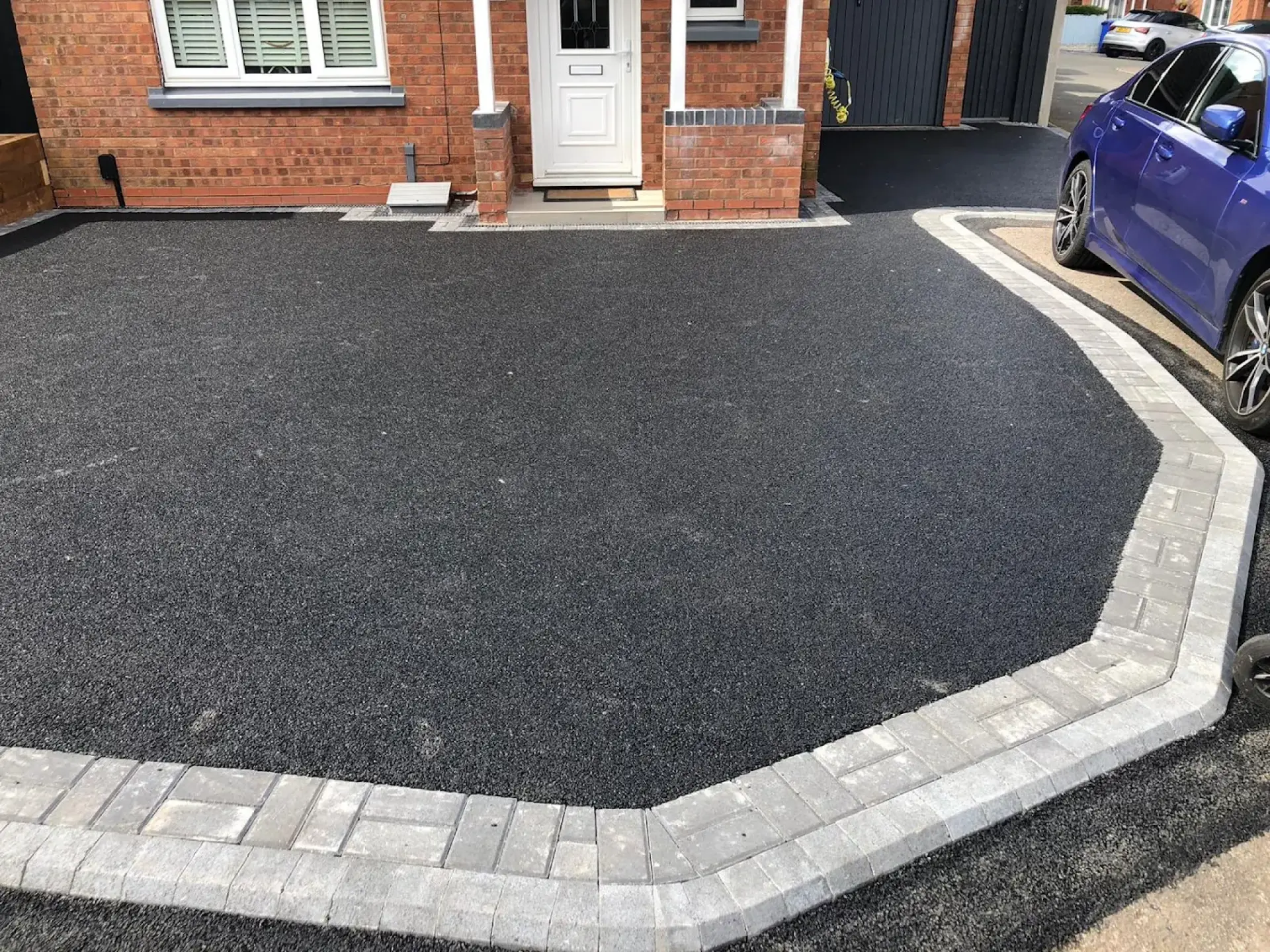
Tarmac's dark, even surface works well with many different house styles, from modern homes to traditional properties, and you can add block paving borders, edging or a contrasting entrance strip to give the driveway extra detail and appeal. This can help tie the driveway in with the colour of your brickwork, walls or front garden and make the front of your home look more organised.
Can Be Repaired When Needed
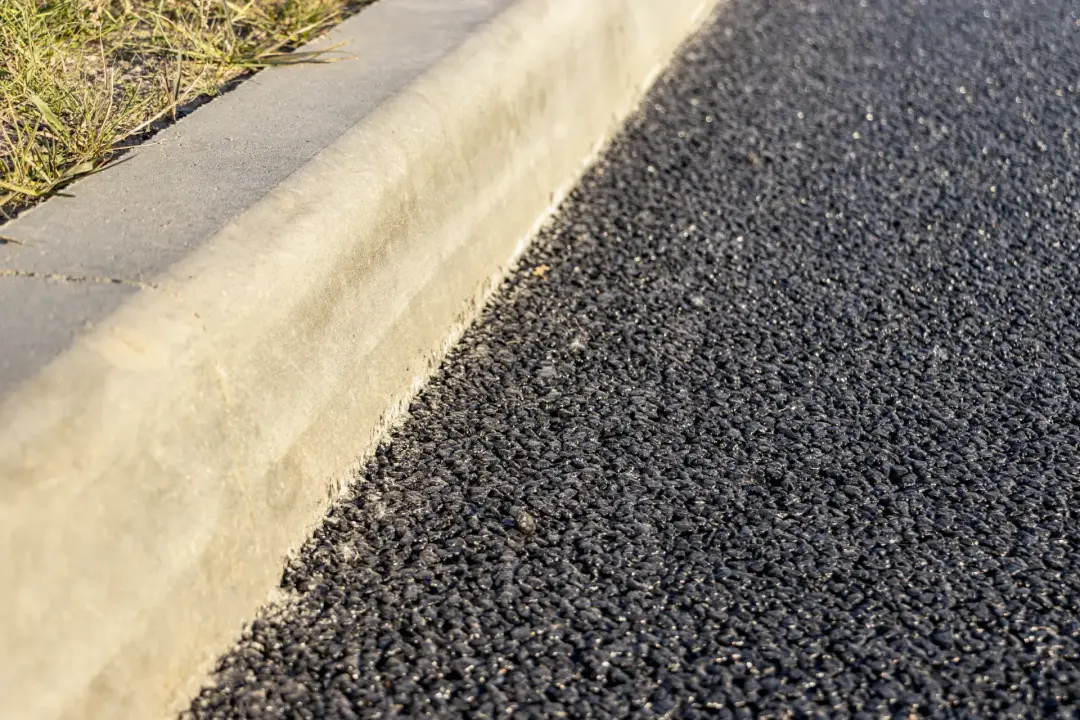
Tarmac is ideal for driveways in the UK since it can be easily repaired. For small cracks, the damaged tarmac section can often be cleaned and filled with a suitable repair material, whereas larger areas may need to be cut out, prepared and filled with fresh tarmac before being compacted to create a firm finish. The repaired section may look slightly different at first, but it will still restore the strength and safety of the surface.
This is good for homeowners because it can help you control your repair costs and reduce the risk of disruption. You also don't need to dig up the entire driveway just because one section is damaged. For many homeowners, this makes tarmac a practical choice since it means you can maintain your driveway's safety without needing a complete replacement every time damage crops up.
Works Well with Edging and Borders
Tarmac works well with edging and borders because its smooth surface can be finished neatly with block paving, concrete kerbs, stone or brick. These materials can be used to create a clear edge around the driveway and create a more finished appearance. Edging isn't just decorative; it can also be used to support the sides of the tarmac and reduce the risk of the edges breaking away under regular vehicle use. This is especially useful near lawns, flower beds and gravel areas, since an unsupported edge may become damaged over time.
Borders can also help you match your driveway to the style of your home since you can choose colours and materials that suit your brickwork, garden paths or entrance. A contrasting border can make the shape of the driveway clearer and add detail without making the design too complicated or overwhelming. Defined edges can also help separate the driveway from any soil and planting areas, too.
Suitable for Large Driveway Areas
Tarmac is ideal for large driveways because it can cover large spaces efficiently and create a smooth, continuous surface. Unlike block paving, tarmac does not require hundreds of individual pieces to be placed down by hand, so the installation process can often be quicker and less intensive to complete, making tarmac a practical option for large homes, rural properties, shared driveways and areas used by several vehicles.
Is a Tarmac Driveway Right for Your Home?
A tarmac driveway may be right for your home if you want a strong, smooth and practical surface. Tarmac can suit many property types, and it can be laid across small parking spaces, wide entrances and larger driveways. Tarmac works well for busy driveways because it creates a firm surface that won't be affected by loose stones or too many joints.
Additionally, a professional installer can check whether your driveway needs excavation work, a new sub-base or drainage work done before the installation begins, to make sure your driveway can handle the material. In short, if you want a tidy, durable driveway that is easy to look after, tarmac is the most suitable option.
Lakeside Driveways provides professional tarmac driveway installation services in Stoke-on-Trent for homes of all sizes.
From ground preparation and drainage to edging and surfacing, we make sure every stage is completed with care. We aim to make sure you receive a strong, smooth and practical driveway that's designed for regular vehicle use, changing weather and long-term maintenance.
Related Articles
Signs Your Tarmac Driveway Needs Repairing
