Discover the key signs your tarmac driveway needs repair and prevent costly damage. Early detection of cracks, potholes, and sinking extends its lifespan.
Tarmac driveways are strong and practical, but regular usage and changing weather can cause damage over time. This article explains the main signs that your driveway may need repairing, including cracks, potholes, poor drainage, loose stones and sunken areas, along with why early repairs can prevent more serious problems.
Why Driveway Repairs Should Not Be Ignored
Tarmac driveway repairs should not be ignored because small problems can become worse over time. A minor crack may not seem serious at first, but water can enter the damaged area and weaken the surface material underneath, and during cold weather, this trapped water can freeze, expand and make the crack wider.
Sunken sections and broken surfaces can also allow water to pool instead of draining away correctly, and standing water can weaken your driveway and increase the risk of further wear and tear. Potholes and loose edges can also create safety risks since they can cause people to trip, make parking more difficult or damage your tyres and suspension. Repairing these areas early on can help you keep your driveway safe and easy to use.
Cracks Across the Surface
Cracks are one of the clearest signs that your tarmac driveway needs repairing. This is because cracks show that the surface has started to weaken, move or lose some of its strength. Cracks may also appear due to age, poor drainage, ground movement, heavy vehicle use or an unstable base beneath the tarmac.
Even a small crack should be checked rather than ignored since rainwater can enter the crack and reach the layers below the surface, and during cold weather, this water can freeze and expand, making the crack wider and deeper. Regular vehicle pressure can also cause the edges of the crack to break away, and if the damage is not repaired, several cracks may join together and create loose sections, dips or potholes.
Small cracks can often be cleaned and filled in with a suitable material before they spread, whereas larger cracks may need to be fully removed and replaced.
Potholes Starting to Form
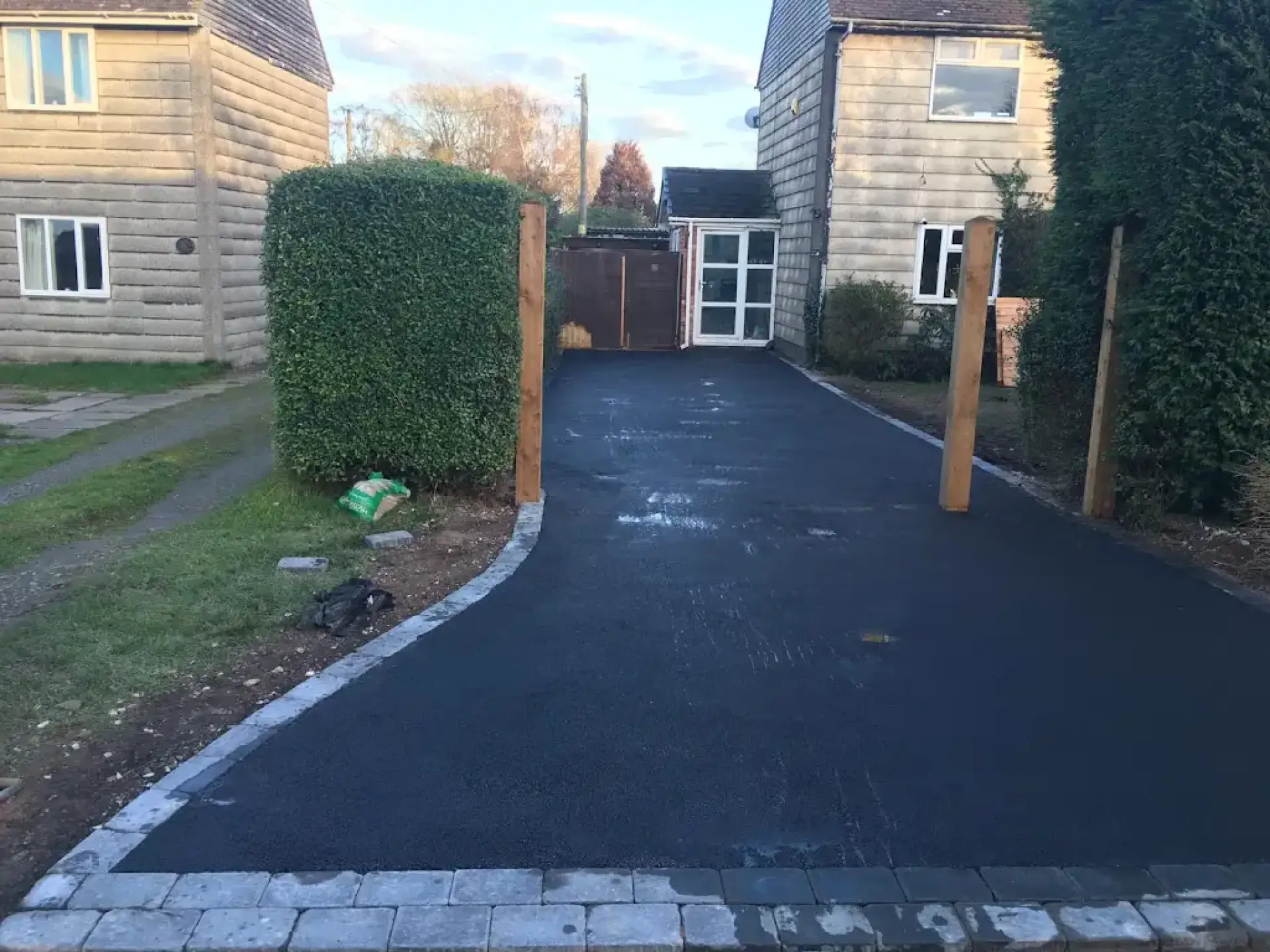
Potholes are one of the clearest signs that your tarmac needs repairing. Potholes usually develop when cracks or worn-out areas have let rainwater reach the layers underneath the tarmac's surface. As vehicles pass over the weakened section, the tarmac can break apart and leave a hole behind.
A small pothole may not seem urgent, but rainwater can collect inside the hole and weaken the driveway even further. During cold weather, this trapped water can freeze, expand and increase the amount of damage. If a pothole is not repaired in time, it can become deeper and wider, which can make the driveway uneven and harder to use safely.
Loose or Crumbling Edges
The edges of your driveway are often more exposed than the centre of the surface, especially where it meets your lawn, gravel, soil or flower beds. Without enough support, regular vehicle pressure can cause the tarmac to crack, break away or become uneven. When this happens, water can enter small gaps in the tarmac, weaken the material and wash away parts of the base underneath. Over time, this leaves the edge less stable and more likely to crumble.
If the problem is not repaired in time, the damage can spread into the main driveway. Broken sections may become trip hazards, while loose pieces of tarmac can scatter across your path, nearby roads or garden areas. Your driveway may also become narrower and harder to use safely, especially when you're parking or turning vehicles. Damaged edges can also allow more water to enter the surface, which increases the risk of cracks, sinking and potholes.
Standing Water After Rain
A well-laid tarmac driveway should have a gentle slope that allows water to flow towards a suitable drainage point, so if you notice there are puddles on your driveway after it's rained, it can suggest that the surface has sunk, become uneven or developed blocked drainage channels.
If standing water is ignored, it can slowly weaken the tarmac over time and cause it to crack or break apart. Regular vehicle use can also make the weakened area sink further or develop potholes.
Puddles can make your driveway less safe since they can make the tarmac slippery, hide damaged sections and make it harder to walk across the area. Standing water can also leave dirt, marks and organic growth behind, making the driveway look poorly maintained.
The main repair method depends on the cause of the issue. If the issue has been caused by blocked drains or channels, they simply need to be cleaned. However, sunken sections may need to be cut out entirely and rebuilt with a stable base and fresh tarmac. In some cases, the surface levels must be corrected so that water flows away properly.
Faded or Worn Surface Colour
A faded or worn-out surface colour can be a sign that your tarmac driveway is ageing and needs attention. Fresh tarmac normally has a dark, even appearance, but sunlight, rain, temperature changes and regular vehicle usage can gradually dry and wear out the surface. Over time, this can turn the tarmac grey and make it look patchy.
Fading alone does not always mean the driveway needs any major repairs. However, it can show that the surface is losing some of the bitumen that binds the stone together. You may also notice loose stones, small cracks or rough areas appearing alongside the colour change, and if the issue is ignored, the surface may continue to weaken over time.
If the surface is only faded, it can simply be cleaned and treated with a suitable tarmac restorer or protective coating. However, any damaged patches may need to be cut out and replaced to help protect the surface and prevent expensive damage.
Uneven or Sunken Areas
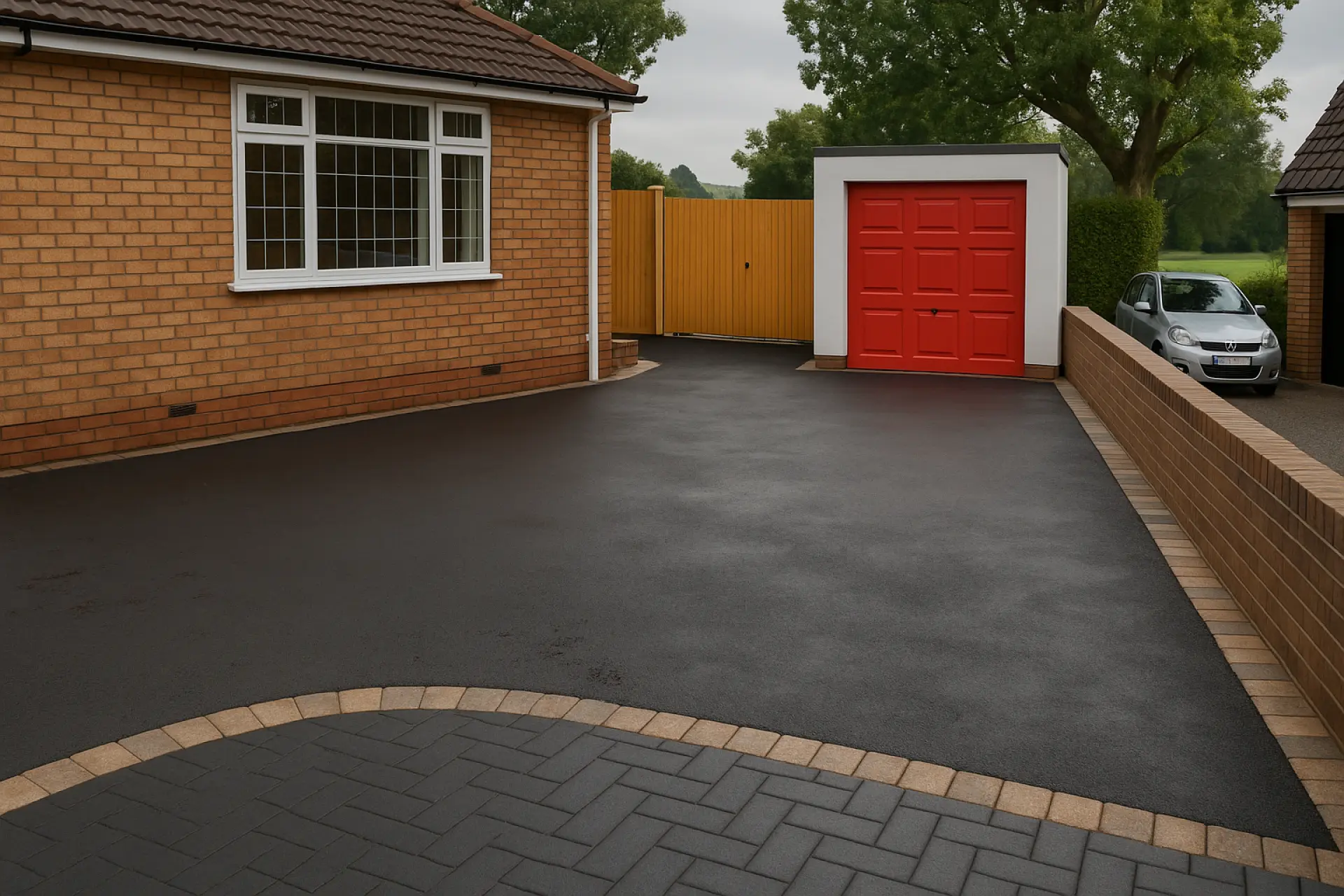
Uneven or sunken areas often appear when the base beneath the tarmac surface has weakened, shifted or been poorly compacted. Water damage, heavy vehicle use, ground movement and damaged drainage can also cause sections of the tarmac to sink.
In this situation, you may notice that your vehicle feels less stable when you're parking or that rainwater gathers in the lower areas of the driveway. An uneven surface can also make it harder to move your bins, pushchairs or mobility aids safely across the driveway.
If the problem is not repaired in time, the sunken section may continue to drop, which can let standing water enter small cracks and weaken the base. Raised and lowered sections can also become trip hazards, while repeated pressure from vehicle tyres can cause the edges of the damaged section to break apart.
Weeds Growing Through the Tarmac
Weeds growing through your tarmac are a major sign that your driveway needs repairing. Healthy tarmac should form a firm, sealed surface, so any plant growth is usually a sign that cracks or gaps have developed in the tarmac. Weed seeds can settle inside these openings, while any moisture and soil underneath the base can provide the ideal conditions for the weeds to grow. As the weed roots spread, they can push against the surrounding tarmac and make any existing cracks wider.
Simply pulling out the visible weeds will not always solve the problem because the roots will remain below the surface and grow back. If the issue is not repaired, water can enter the damaged section and weaken the base beneath your driveway even further. This can lead to issues like loose tarmac, sinking, large cracks or potholes.
Loose Stones on the Driveway
Loose stones appearing on your tarmac are a clear sign that the surface is starting to wear down and needs repairing. Tarmac contains stone aggregates that are held together by bitumen, and as the bitumen ages or becomes damaged, it can lose its grip, allowing small stones to break free from the surface.
In this situation, you may notice loose material gathering near the edges of your driveway, around your parking area or where your vehicle regularly turns. Weather, heavy usage, poor drainage and the surface's age can also contribute to this problem. If the loose stones are not dealt with in time, the surface can become rough and uneven, and more material may continue to break away, leaving behind weak patches that can develop into cracks or potholes.
Damage Around Drains or Kerbs
Your drains and kerb often handle regular vehicle pressure, flowing water and movement between different materials, and over time, the tarmac in these areas may begin to crack, sink or crumble. In this event, you may notice gaps around the edges, loose stones, broken sections or water collecting or pooling nearby.
If the problem is not repaired, any cracks can spread further across the driveway, weaken the base and cause the tarmac to sink or form potholes. Loose kerbs can also move out of position, while damaged drains can stop water from flowing properly. This can create puddles, slippery surfaces and trip hazards.
Tyre Marks, Scuffs and Surface Wear
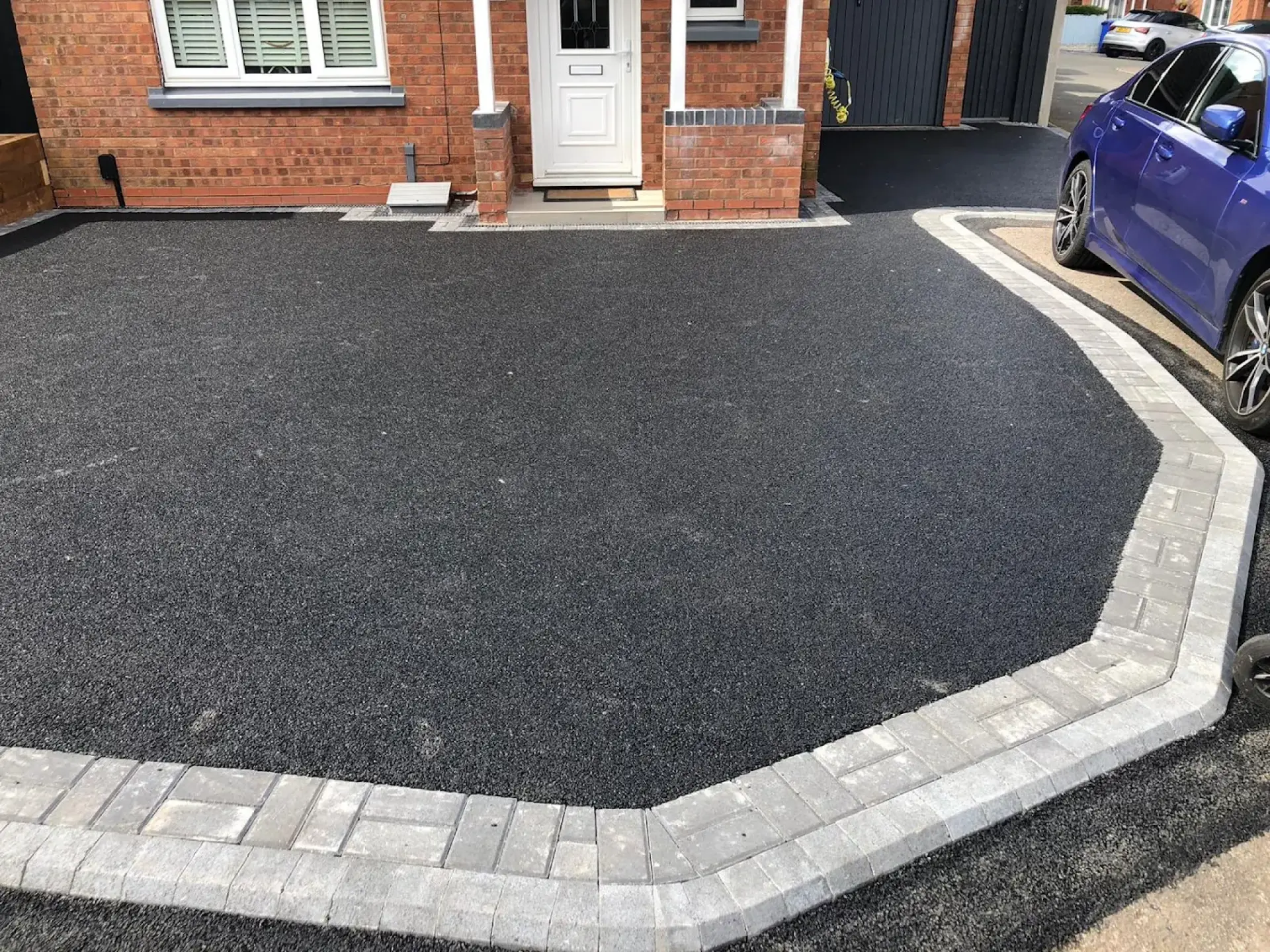
Tyre marks, scuffs and surface damage are all clear signs that your tarmac driveway needs repairing. Light tyre marks may only affect the appearance of your driveway, but deep scuffs, rough patches or visible stone can show that the surface is starting to weaken. This often happens in areas where vehicles regularly turn, brake or remain parked.
Warm weather can also soften your tarmac slightly, making it more likely to become marked or scuffed by heavy vehicles or sharp turns. Older surfaces can also lose some of the bitumen that holds the stone together, causing the tarmac to wear down over time. If the damage is not repaired properly, these worn-out areas can become rougher and start breaking apart.
Surface marks can be cleaned with a suitable product, and small worn patches can be treated with a tarmac repair compound. However, more serious or wider damage may need to be cut out and replaced with fresh tarmac.
Poor Drainage Problems
Poor drainage is a clear sign that your tarmac driveway needs repairing. In this case, you might notice puddles on your driveway, water flowing towards your house, or drains that empty slowly. These problems can be caused by sunken areas, blocked channels, damaged drains or incorrect surface levels.
If this problem is left or ignored, standing water can enter the cracks in your driveway and weaken the base beneath the tarmac. Over time, this can lead to sinking, loose stones and potholes. To fix this problem, your drains and channels may need cleaning or replacing, and sunken sections might be removed, rebuilt and covered with fresh tarmac.
When Small Repairs May Be Enough
Small repairs may be enough when the damage is limited to one or two areas of your driveway. Small cracks, shallow potholes, loose stones and light surface damage can often be repaired without needing to have the whole driveway replaced.
Small repairs are also more suitable when the damage has appeared recently and has not spread across a large area. Typical repair work can include cleaning and filling in cracks, patching small holes or replacing any worn-out sections with fresh tarmac. Any loose edges can sometimes be rebuilt and supported with suitable edging.
However, small repairs are less likely to be enough when cracks cover most of the driveway, several areas have become sunken, or the base has collapsed entirely. In these cases, it's best to have the tarmac resurfaced or fully replaced.
When Resurfacing May Be Needed
Resurfacing may be needed when your tarmac driveway has widespread surface damage, but the base underneath is still stable. The main signs you need a resurfacing service are if there is fading, rough patches, shallow cracks, loose stones and several small scuffs across the area.
Resurfacing usually involves cleaning and preparing the existing driveway before laying down a new layer of tarmac over the top. Any serious cracks, potholes or drainage problems are usually repaired first; however, this is generally done when the driveway remains firm and has not suffered major sinking or movement.
If the base has collapsed, resurfacing alone may not solve the problem. In this case, parts of the driveway may need to be removed and rebuilt before a new surface is added on top.
Lakeside Driveways provides professional tarmac driveway installation services in Newcastle-under-Lyme for homes of all sizes. From ground preparation and drainage to edging and surfacing, we make sure every stage is completed with care. We aim to make sure you receive a strong, smooth and practical driveway that's designed for regular vehicle use, changing weather and long-term maintenance.
Related Articles

What Are the Benefits of Tarmac Driveways